










Technology News
Printers Warned: “Nike Licences” Sold by Reprographic Rights Organisations (RROs) Copyright Bodies Are Worthless and Could Land You in Court


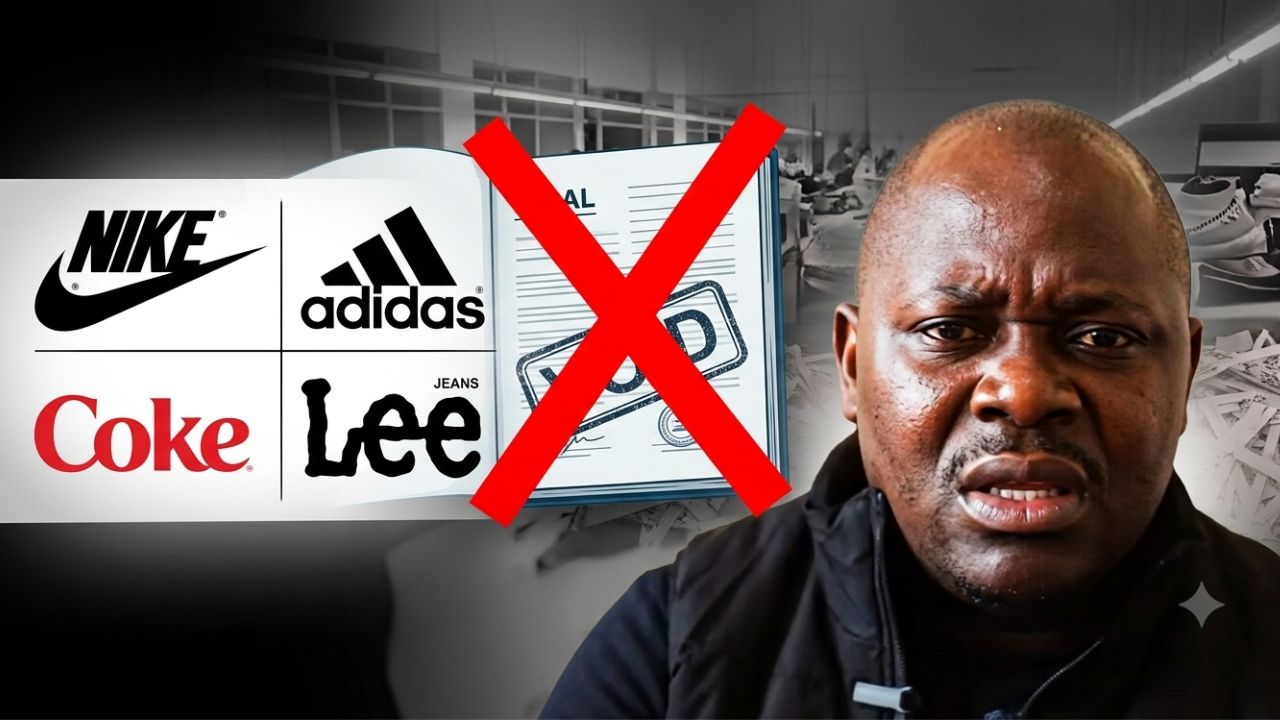
Zimbabwean manufacturers and printers are being sold licences that do not exist in law, industry sources say, Reprographic Rights Organisations (RROs) is collect fees for rights they have no legal authority to grant including the right to produce Nike-branded goods.
The claim being sold
RRO’s legal mandate begins and ends with one activity licensing the reproduction of copyrighted literary and artistic works like photocopying, scanning, course-pack printing. Nothing more.

Lets take for a brand like Nike’s brand its name, the Swoosh, its product designs , all falls under trademark law, not copyright. Trademark rights are controlled exclusively by Nike Global Licensing and Nike Legal, backed by registrations with the USPTO, WIPO, and EUIPO. No copyright body, anywhere in the world, has ever held authority over them.
When an RRO collects a “licence fee” and tells a client they may now legally manufacture Nike-branded goods, it is charging for a permission it cannot grant. The client pays. The paperwork looks official. The legal protection does not exist.
International law is explicit on who controls trademark rights. Under the Berne Convention, the WIPO Copyright Treaty, and TRIPS Articles 15–21, only the rights holder can authorise use of its marks. TRIPS Article 61 obliges member states to impose criminal penalties including imprisonment for wilful, commercial-scale trademark counterfeiting.
A business that pays an RRO for a “Nike licence” has not purchased legal protection. It has purchased a document that will not hold up in court, will not be defended by the RRO if challenged, and will not stop Nike, ZIMRA, or the courts from treating the resulting goods as counterfeit.
Under the Trade Marks Act [Chapter 26:04], falsely applying a registered trademark carries a fine up to level seven and or up to two years’ imprisonment. The Zimbabwe Revenue Authority has the power to seize suspected counterfeit goods at the border and pursue criminal charges independently of any paperwork the manufacturer holds.
The Copyright and Neighbouring Rights Act [Chapter 26:05] governs copyright infringement and its own penalty structure under Section 55 — but it has no bearing on who may manufacture trademarked goods. An RRO citing this Act to justify a Nike licence is citing the wrong law entirely.
Nike does not treat unauthorised production as a paperwork dispute. Regional and international enforcement includes:
- Counterfeit goods worth over R200 million seized at Durban harbour, South Africa.
- Suspected counterfeit Nike sneakers seized in Eldoret by Kenya’s Anti-Counterfeit Authority.
- A $60 million lawsuit against custom sneaker business The Shoe Surgeon.
- An $11 million jury verdict against an influencer led counterfeit operation.
None of these cases involved a copyright body’s licence being recognised as a defence.
The business that buys the licence bears the full legal risk that is prosecution, seized equipment, and civil suits from Nike or any other brand. The RRO that sold the licence carries none of it, it has already collected the fee and has no exposure once goods are seized or a lawsuit is filed.
Only approved factories and distributors may lawfully produce or sell branded goods. A licence from any reprographic rights organisation in Zimbabwe or anywhere else — does not change that.