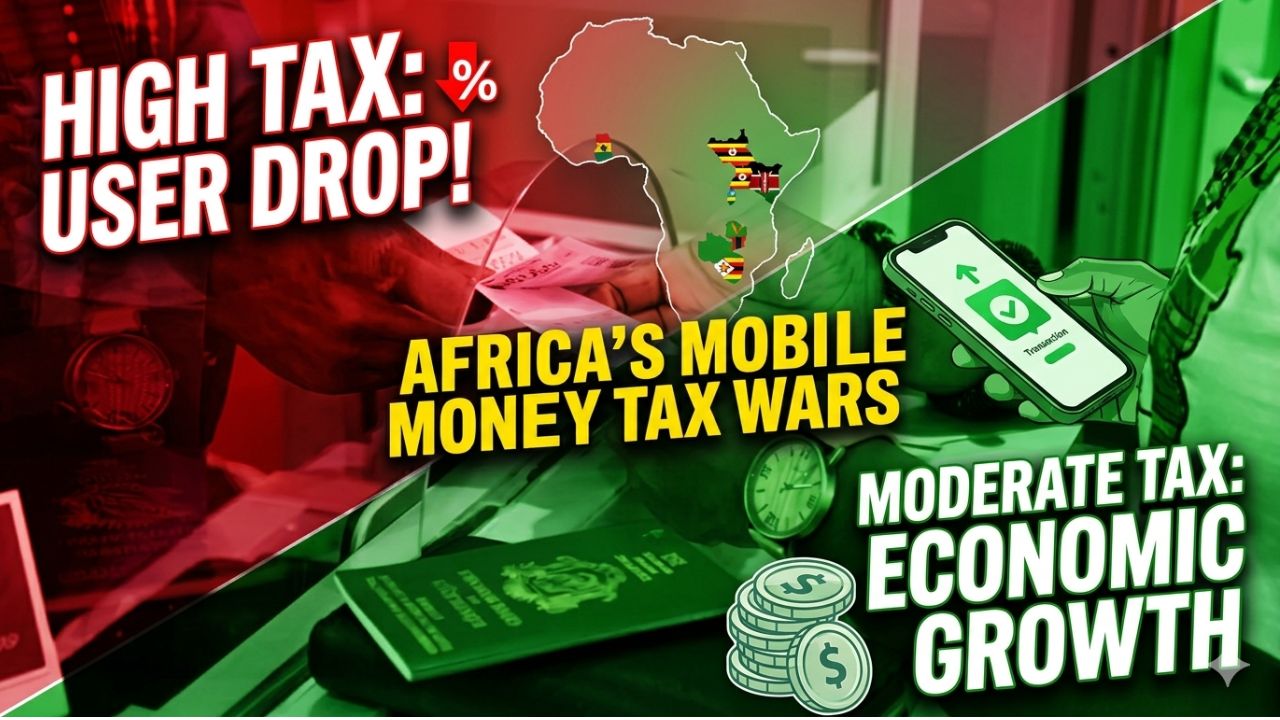
The case for moderate mobile money taxation is gaining traction across Africa as evidence suggests that overtaxing digital transactions often leads to a significant decrease in usage and a return to cash-based economies.
In Uganda, the introduction of a 1 percent levy in 2018 resulted in nearly half of the user base abandoning the service within two weeks, while Ghana recently saw the total repeal of its electronic levy in April 2025 following a sharp drop in transaction volumes and intense public backlash. These instances highlight a growing consensus among international institutions like the IMF and UNECA that while mobile money is a tempting source of revenue for debt-laden governments, aggressive taxation can inadvertently shrink the tax base by driving the economy back into the informal, untraceable cash sector.
Rather than targeting transactions directly, a new wave of fiscal strategy focuses on using the 514 million active mobile money accounts in sub-Saharan Africa as a tool to formalize the economy. Research from 2025 indicates a strong positive correlation between high levels of financial inclusion and overall tax revenue growth, suggesting that keeping transaction costs low encourages the digital paper trails necessary for broader tax compliance. Kenya has emerged as a successful alternative model, utilizing mobile money data and artificial intelligence to combat VAT fraud—a move that reduced fraud by nearly 30 percent without placing a direct financial burden on the low-income populations who rely most on digital wallets.
The debate among African policymakers has shifted from whether to tax the digital economy to how to do so without penalizing the most vulnerable. While countries like Zimbabwe still rely heavily on transfer taxes for revenue, others like Rwanda and South Africa are increasingly prioritizing data-driven compliance systems over direct levies. The ultimate challenge for these administrations is to leverage digital finance as an infrastructure for long-term economic growth, ensuring that the drive for immediate fiscal gains does not dismantle the very systems that have brought millions of unbanked citizens into the formal financial fold.